Vapor technology
How vapor devices function


Device essentials
Choosing the right device
Selecting appropriate equipment directly shapes the quality of your daily vaping experience. Contemporary devices span from compact disposable options to fully customizable setups, enabling users to fine-tune airflow, power output, and cloud production based on their individual inhalation draw preferences.

Portable pod systems explained
Pre-filled and refillable pods snap securely into compact low-wattage batteries, providing a discreet form factor that replicates traditional mouth-to-lung draw resistance without complicated button controls.

Advanced mods for cloud production
High-capacity removable batteries power advanced circuit boards, driving sub-ohm resistance coils that produce dense vapor clouds and intense flavor profiles through precise temperature control features.

Beginner-friendly pen style devices
Cylindrical battery tubes paired with basic clearomizer tanks deliver an accessible starting point, balancing sufficient cloud production with straightforward single-button operation for beginners.
The transition
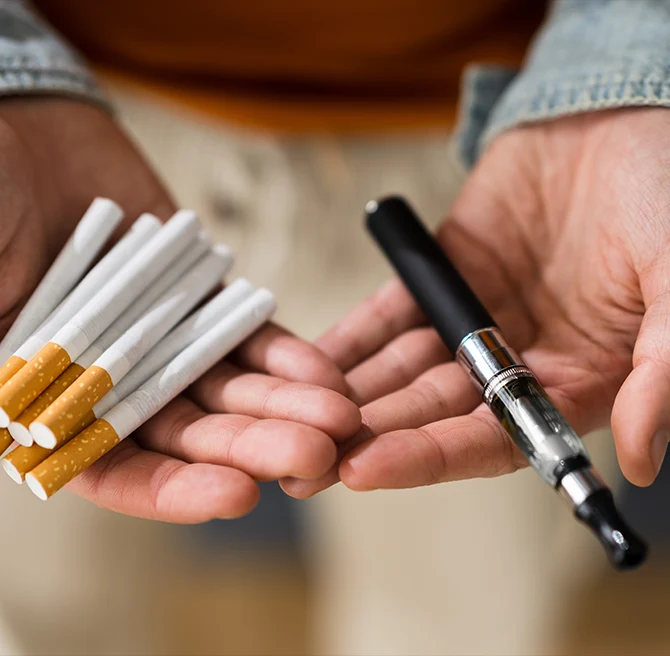
Transitioning away from cigarettes
Transitioning from combustible cigarettes requires adjusting both physical routines and sensory expectations. The initial phases often involve discovering the proper draw resistance to replicate the familiar hand-to-mouth ritual. Gradually reducing nicotine strength levels allows your body to adapt comfortably over time. Vapers frequently test different device types during this transition period, evaluating throat hit sensation intensity and vapor warmth. Maintaining a consistent daily schedule with dependable hardware prevents frustration, ensuring the switch remains sustainable while sampling various device setups to closely mirror previous smoking consumption patterns.
Liquid chemistry
E-liquid composition breakdown
The liquid vaporized within atomizer coils depends on a precise balance of core ingredients. Propylene glycol (PG) delivers the satisfying throat hit and carries flavor concentrates effectively, while vegetable glycerin (VG) produces dense visible vapor clouds and adds subtle sweetness. Manufacturers blend these components in varying ratios to match specific device capabilities. Nicotine salt formulations provide smoother inhalation experiences at higher concentrations, whereas freebase nicotine liquids suit sub-ohm tank setups operating at elevated power levels. Carefully crafted flavor profiles span from natural botanical extracts to intricate dessert recipe recreations.
Daily upkeep
Device care essentials
When to replace coils
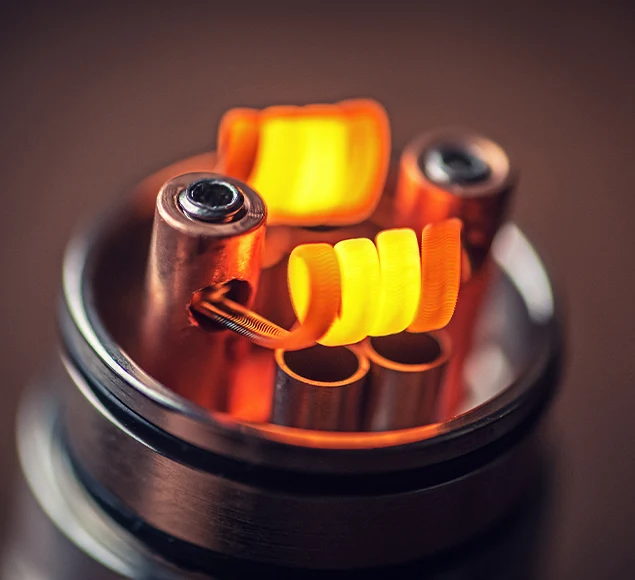
A burnt flavor indicates depleted cotton wick material. Installing a new coil head restores clean taste delivery and eliminates potential leaking problems.
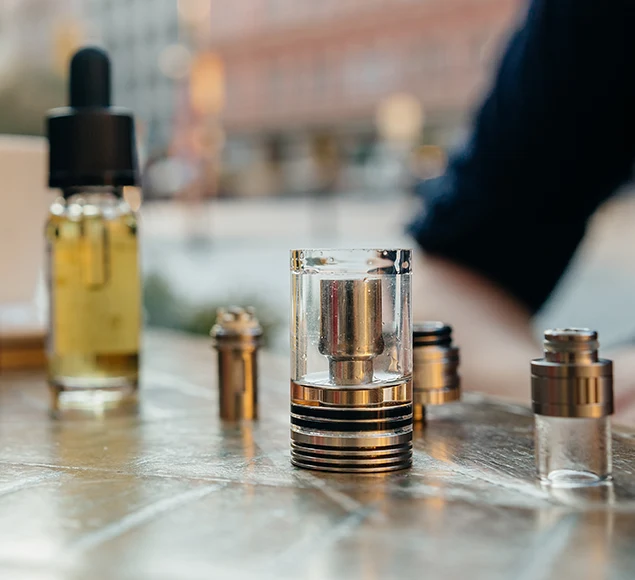
Cleaning tanks properly
Disassembling glass tank sections and rinsing metal bases under warm water eliminates residual e-liquid buildup, preventing unwanted flavor mixing between different juice profiles.
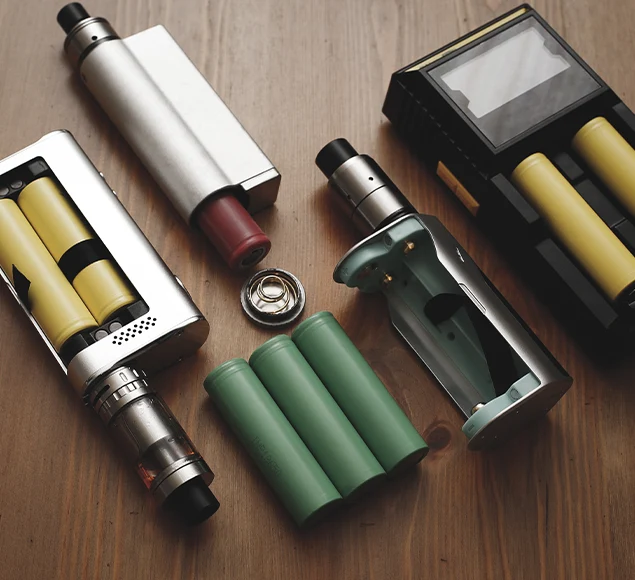
Storing batteries safely
Inspecting battery wraps for damage ensures safe device operation. Storing loose 18650 cells in dedicated protective cases prevents accidental metallic contact short circuits.
Operational standards
Safety regulations for vapers
Operating electronic vaping devices demands strict adherence to basic electrical principles. Regulated chipsets provide built-in circuit protections against voltage drops and overheating, automatically shutting down if operational anomalies occur. Beyond personal hardware precautions, understanding local regulatory frameworks remains crucial. Public indoor spaces often enforce identical restrictions on vapor as combustible smoke, requiring vapers to respect designated zones and proper disposal methods for lithium-ion battery power sources.